How to Help Disaster Victims: Where Your Donation Makes a Difference
On this page
- Will Your Disaster Relief Donation Actually Reach Someone?
- What Disaster Victims Need Most in the First 72 Hours
- How Zam Zam Foundation Makes Sure Your Donation Reaches Families
- How to Spot a Trustworthy Disaster Relief Charity
- Other Ways to Help Disaster Victims (Besides Donating)
- Help Children Recover After a Disaster
- Frequently Asked Questions About Helping Disaster Victims
- Give to Disaster Relief with Confidence
Disasters don't end when the news does. Neither does the need.
When a flood, earthquake, or cyclone hits, the world pays attention for a few days. Then the cameras leave.
The families caught in it are still there, without a home, clean water, or enough food. The hardest part of their recovery has only just started.
If you are wondering how to help disaster victims, this guide shows exactly where your donation goes.
Will Your Disaster Relief Donation Actually Reach Someone?
Most of us want to help. Many of us also hesitate, and for good reason.
Will my donation actually reach someone? What does it really pay for?
Here's what your donation pays for, and how it reaches the disaster families who need it.
When you understand how disaster relief works, you can give with greater confidence. You will know how your support can help families in need.

What Disaster Victims Need Most in the First 72 Hours
After a disaster, the needs are basic and urgent. Families have lost their homes, their routines, and often their access to clean water.
Relief work usually comes down to four things.
1. Emergency Food
Hunger sets in fast when markets close and roads are cut off.
Donations pay for emergency food packs. These are usually staples like rice, flour, oil, lentils, and ready-to-eat items for families with no way to cook.
2. Clean Water
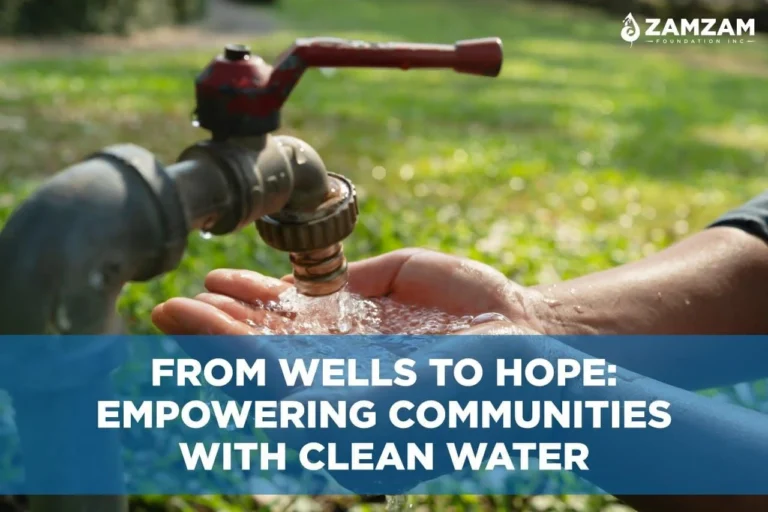
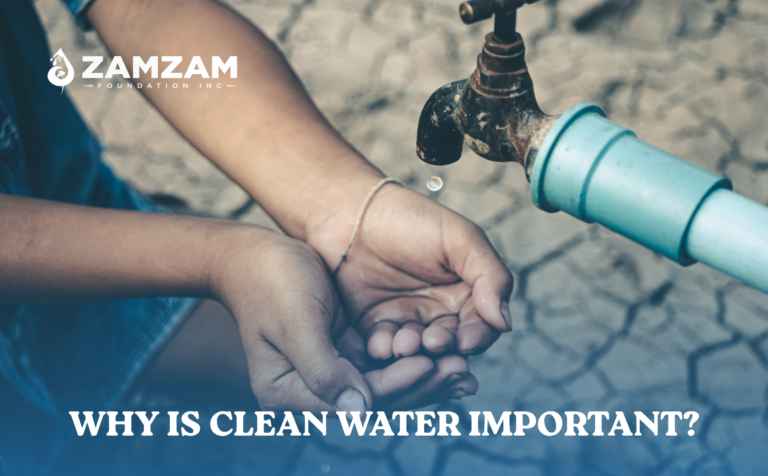
Floodwater contaminates wells and pipes. Without safe, clean water, disease spreads quickly, and children are the most at risk.
Your donation funds bottled water, purification tablets, and repairs to local water sources.
3. Emergency Shelter
Tents, tarpaulins, blankets, and hygiene kits give families somewhere safe to sleep. They also give a little dignity while families work out what comes next.
Later, funds go toward repairing or rebuilding homes.
4. Medical Care
Injuries, infections, and untreated chronic illness all add up after a disaster.
Donations keep mobile clinics running. They also cover first aid, essential medicines, and care for pregnant women and newborns.
How Zam Zam Foundation Makes Sure Your Donation Reaches Families
Trust is earned, so here's how we handle your gift:
- Local teams on the ground. People who know the community can distribute aid, so help arrives faster and fits what families need.
- Clear reporting. We share what was delivered, where, and to how many people.
- Verified registration. We are a registered US 501(c)(3) nonprofit (Tax ID/EIN: 85-1571287).
- Updates after every response. You can see where aid went once an emergency response closes.
Want to see how the work behind the scenes is organized? Read how a nonprofit runs its operations.
How to Spot a Trustworthy Disaster Relief Charity
After every major disaster, scams and unreliable appeals appear. Before you give, check that the charity:
- Publishes its registration details and can be verified with your country's charity regulator. In the US, you can use the IRS Tax Exempt Organization Search.
- Shows how donations are spent, with clear breakdowns rather than vague promises.
- Shares impact reports with real numbers, not just emotional appeals.
- Works with local teams and has a record of past emergency responses.
- Does not pressure you to donate. Avoid groups using aggressive tactics, unsolicited calls, or non-standard payment methods like gift cards or wire transfers.
If an organization can't answer these questions, give your money to one that can.
Other Ways to Help Disaster Victims (Besides Donating)
Not everyone can give money right now, and there are other ways to make a difference:
- Share verified appeals. One post from you can reach someone ready to give.
- Organize a drive. Pool small contributions with colleagues, schools, or local groups. Our guide to ways to contribute to a nonprofit organization has more ideas.
- Give blood through official drives when there's a call for donors.
- Volunteer with a verified organization that has a coordinated response in place.
- Think twice before sending goods. Cash is usually faster and more useful, because shipped items can clog supply routes and may not match local needs.
FEMA also says that cash donations to trusted organizations are the fastest way to help disaster survivors.
Help Children Recover After a Disaster
Children are often hit hardest when a disaster strikes. Your support can reach them long after the emergency ends.
You can also help by sponsoring an orphan and giving a child steady care, food, and education.
Frequently Asked Questions About Helping Disaster Victims
How can I help disaster victims?
The most effective way to help disaster victims is to donate money to a trusted relief organization. Cash helps responders buy exactly what families need, such as food, clean water, shelter, and medicine.
It also supports local markets and speeds up delivery.
Where does my disaster relief donation go?
A disaster relief donation goes toward four core needs: emergency food, clean drinking water, shelter supplies, and medical care. A smaller portion covers delivery, logistics, and the local teams who get aid to families.
Is it good to donate money or goods after a disaster?
Money is usually better than goods. Shipped items are often slow to arrive, may not match local needs, and can clog supply routes.
Cash lets relief teams buy what is needed most, and where it is needed.
What do disaster victims need most?
In the first days after a disaster, people need safe drinking water, food, emergency shelter, and medical care. In the weeks and months after, they need help with housing repairs, livelihoods, and recovery support.
Read more about the long-term impact of natural disasters on quality of life.
Can I donate to a specific disaster or region?
Yes. You can give to a specific emergency, or to a general relief fund that responds wherever the need is greatest.
This includes crises that get little media coverage.
Can I help disaster victims without donating money?
Yes. You can share fundraising appeals, organize a community fundraiser, volunteer with a verified organization, or give blood through official drives.
Avoid traveling to disaster zones unless you are part of a coordinated response.
Give to Disaster Relief with Confidence
Every gift helps a family get food, clean water, shelter, and care when they need it most.